In today’s world, social media platforms like Instagram, TikTok, and YouTube have become more than just places to share photos and videos. They serve as influential spaces where people curate their lives and lifestyles. The rise of influencers—individuals who have gained popularity through their online presence—has transformed how we make everyday choices, from what we wear to how we eat. This article delves into the intricate relationship between social media influencers and lifestyle choices, examining how these digital personalities shape our decisions in various aspects of life.
The Power Of Influence
At the core of this phenomenon is the concept of influence itself. Influencers often cultivate a personal brand that resonates with their audience, offering authenticity and relatability that traditional advertising struggles to achieve. By sharing snippets of their lives, influencers glimpse aspirational lifestyles, whether a fitness guru promoting a healthy lifestyle or a travel blogger showcasing exotic destinations. Their ability to connect personally creates a sense of trust among followers, making their recommendations feel more genuine.
Research indicates that consumers increasingly turn to social media to guide purchasing decisions. A study conducted in early 2024 revealed that nearly 70% of individuals aged 18 to 34 trust influencers' recommendations over those from traditional advertisements. This shift highlights a growing reliance on peer validation, where influencers, perceived as peers or friends, significantly impact our choices.
Fashion And Beauty Trends
Fashion and beauty are among the most visible areas where social media influences lifestyle choices. Influencers often set trends by showcasing new styles or products, leading their followers to emulate these looks. For example, when a famous influencer wears a specific brand or showcases a particular beauty product, it can surge interest, driving sales and encouraging followers to adopt similar styles.
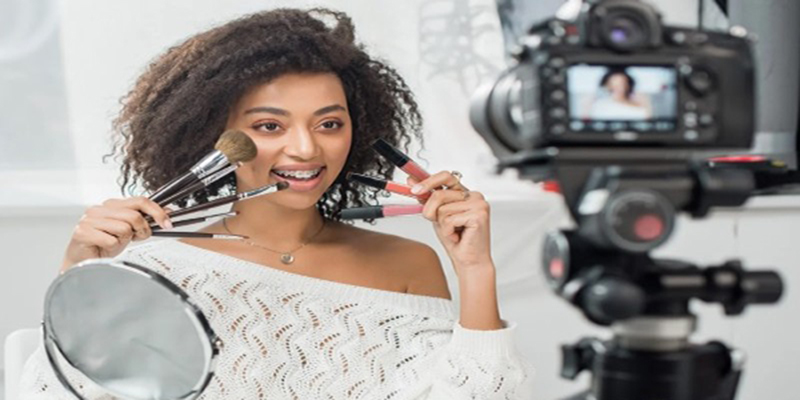
This impact is particularly pronounced on platforms like Instagram, where visual appeal is paramount. Fashion influencers curate aesthetically pleasing feeds that inspire followers to experiment with their style. Additionally, beauty influencers often share makeup tutorials, skincare routines, and product reviews, guiding their audience in navigating the vast array of available products. The result is a democratization of fashion and beauty, where followers feel empowered to make choices that reflect their individuality, influenced by the latest trends.
Health And Wellness
The health and wellness industry has seen a significant transformation thanks to social media influencers. From fitness coaches to nutritionists, many influencers share their journeys, offering tips on exercise, nutrition, and mental health. This content is often tailored to be relatable, encouraging followers to incorporate healthier habits into their lives.
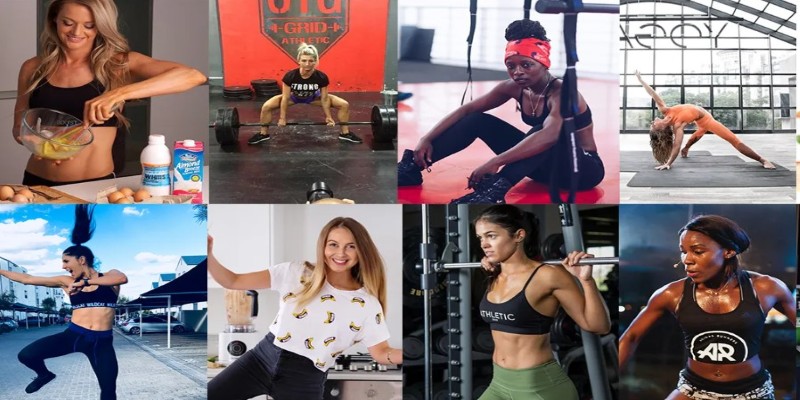
Influencers frequently promote workout routines or meal plans that followers can quickly adopt. The "before and after" posts are compelling, showcasing tangible results and motivating others to embark on similar journeys. For many, these influencers serve as virtual accountability partners, pushing them to commit to their health goals. This trend has increased interest in fitness classes, health food, and wellness products, fundamentally altering how individuals approach their health.
However, it's essential to approach influencer-driven health advice with caution. While many influencers provide valuable insights, not all are qualified experts. Followers should be discerning, ensuring that credible sources back their advice. The rise of misinformation in health and wellness can have profound implications, highlighting the need for consumers to conduct their research before making lifestyle changes.
Travel And Leisure
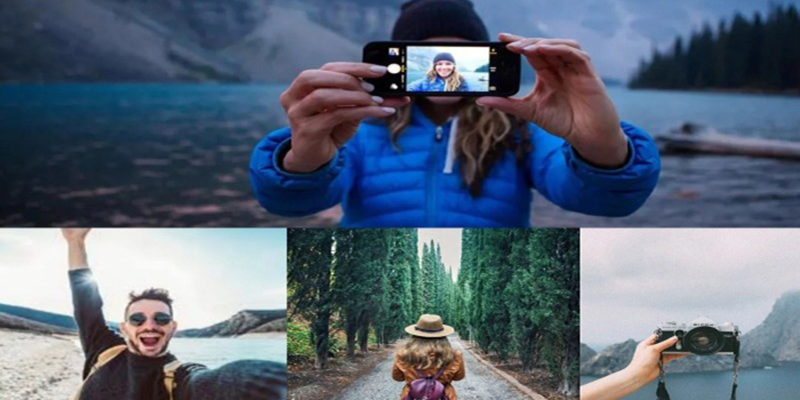
Social media has also transformed how we perceive travel and leisure activities. Travel influencers, often equipped with stunning photography and engaging storytelling, showcase destinations that inspire wanderlust in their followers. Platforms like Instagram and TikTok are filled with breathtaking visuals, encouraging individuals to consider new travel experiences they might not have otherwise explored.

Influencers often highlight unique accommodations, local cuisines, and cultural experiences, shaping followers' perceptions of various destinations. The concept of "Instagrammable" locations has emerged, where travellers seek out spots that promise picturesque photos. This shift has implications for tourism as destinations adapt to meet the expectations of social media-savvy travellers.
Moreover, influencers often emphasize sustainable travel, encouraging followers to consider their environmental impact. This growing awareness has increased eco-friendly travel options, with influencers promoting responsible tourism practices. By sharing their experiences, influencers can drive positive change, urging followers to make mindful travel choices.
Consumer Behavior And Brand Loyalty
The relationship between influencers and consumer behaviour is complex and multifaceted. Influencers often collaborate with brands to promote products, creating sponsored content that reaches a broad audience. When an influencer endorses a product, it can significantly impact followers' purchasing decisions. This relationship highlights the importance of authenticity; followers are more likely to trust recommendations from influencers who genuinely use and believe in the products they promote.
As a result, brands increasingly allocate their marketing budgets to influencer partnerships, recognizing the potential for high engagement and conversion rates. Influencer marketing has become a vital strategy for brands targeting younger demographics who spend significant time on social media. In 2024, the influencer marketing industry is expected to grow even further, with brands seeking authentic connections with their target audiences.
The Role Of Community
Social media has also given rise to online communities centred around shared interests. Influencers often cultivate these communities, fostering connections among followers. For example, fitness enthusiasts might engage with a health-focused influencer, sharing tips, challenges, and successes. This sense of community can empower individuals to make lifestyle changes collectively.
Moreover, these communities often provide a safe space for followers to discuss personal challenges, seek advice, and celebrate achievements. The emotional support offered by these online networks can significantly impact lifestyle choices, as individuals feel motivated to participate and share their journeys.
Conclusion
As we move into 2024, social media's influence on our everyday decisions is expected to grow. Influencers' power to shape lifestyle choices profoundly affects how we dress, eat, travel, and interact with brands. While this influence can lead to positive changes and foster community, it also presents challenges that require critical thinking and discernment.
Consumers must approach influencer-driven content with awareness, recognizing the potential for inspiration and manipulation. By doing so, individuals can navigate the digital landscape more effectively, making informed choices that align with their values and goals. In this evolving environment, the relationship between influencers and their followers will continue to be a dynamic force in shaping lifestyle choices, reflecting the complexities of modern life in the digital age.