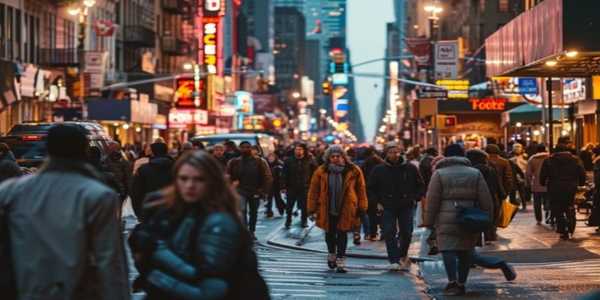
Living in a city can be both exciting and challenging. The vibrant culture, diverse communities, and endless opportunities can attract many people, but the reality of city living often involves dealing with limited space. As urban areas grow, many residents live in smaller apartments or shared living situations. This article explores various lifestyle hacks that can help individuals adapt to city living while maximizing their limited space. From maximizing storage solutions to enhancing community engagement, these strategies aim to create a comfortable and efficient urban lifestyle.
Understanding The Challenges Of City Living
Before diving into practical solutions, it is essential to recognize the specific challenges of living in an urban environment. Limited space is a primary concern, as apartments can often feel cramped, especially when accommodating multiple people or pets. The hustle and bustle of city life can also lead to sensory overload, with noise and activity levels that may be overwhelming for some. Additionally, the high cost of living in urban areas can strain finances, making residents need to prioritize their spending.
These challenges require creative solutions and a shift in mindset. Embracing minimalism, being intentional about belongings, and prioritizing comfort and functionality can significantly enhance the urban living experience. City dwellers can create a more manageable and enjoyable lifestyle by implementing various hacks and strategies.
Maximizing Space: Smart Organization
One of the most effective ways to adapt to limited space is through intelligent organization. This involves decluttering and rethinking how items are stored and displayed. Start by assessing what belongings are essential. Determining what you truly need and what can be donated or discarded can reduce clutter and create a more open living space.

Investing in multifunctional furniture can also make a significant difference. For example, a sofa that doubles as a bed or an ottoman with hidden storage can provide practical solutions to space constraints. Vertical storage solutions, such as wall-mounted shelves, can help maximize floor space while keeping items organized and accessible. By using the walls for storage, you free up valuable space on the ground and create a more open environment.
Another effective strategy is to utilize under-bed storage. Many overlook this space, but it can accommodate boxes, bins, or rolling drawers that keep belongings out of sight while remaining easily accessible. Combining these various storage methods allows you to create a more organized and functional living area that feels less cramped.
Embracing Minimalism: The Art Of Letting Go
Minimalism is a philosophy that emphasizes simplicity and intentionality. By adopting a minimalist mindset, city dwellers can better cope with the challenges of limited space. This approach encourages individuals to evaluate their possessions critically, focusing on quality over quantity. When living in a smaller environment, keeping only those items that add value to your life becomes essential.
One effective method for decluttering is the "one in, one out" rule. Whenever you bring a new item into your home, make it a point to remove an existing item. This practice helps maintain a balance and prevents clutter from accumulating. Additionally, regularly assessing belongings and donating or recycling items that are no longer needed can lead to a more streamlined and manageable living space.
Creating A Functional Living Space
Creating areas that serve specific purposes is crucial in a smaller living space. Designating work, relaxation, and socializing spaces can enhance functionality and improve overall well-being. Even in compact apartments, it is possible to carve out distinct areas that cater to various activities.
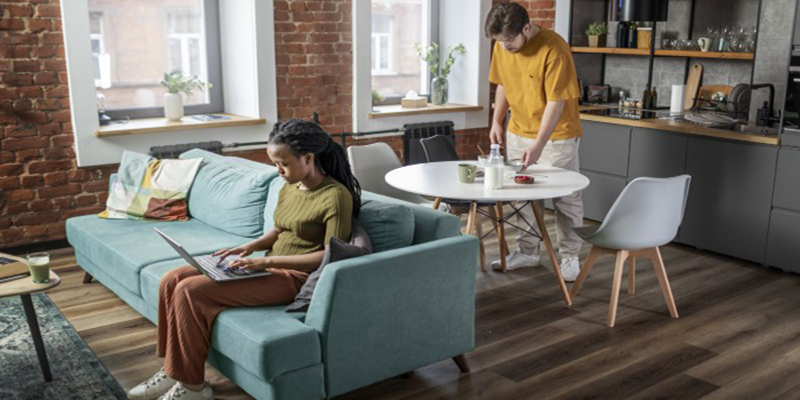
For example, establish a dedicated workspace that minimizes distractions if you work from home. This could be a corner in the living room or a nook in the bedroom. Investing in a suitable desk and ergonomic chair can significantly improve productivity and comfort.
Additionally, creating a cosy relaxation area can escape the fast-paced city environment. Consider adding soft lighting, comfortable seating, and personal touches that make the space feel inviting. This designated area can serve as a retreat where you can unwind after a long day.
Enhancing Community Engagement
Living in a city offers the unique opportunity to connect with diverse communities and participate in local events. Engaging with neighbours and participating in community activities can enrich your urban lifestyle and create a sense of belonging. Building relationships with those around you can also make navigating city living more enjoyable.

Consider joining local clubs, attending neighbourhood meetings, or participating in community events. Many cities have organizations focused on various interests, from arts and culture to sports and wellness. These activities provide opportunities to meet new people and foster a deeper connection to your local environment.
Cultivating Indoor And Outdoor Spaces
Even in a small apartment, enjoyable indoor and outdoor spaces can enhance the quality of life. Bringing nature indoors can create a more inviting atmosphere. Houseplants improve air quality and add a touch of greenery that can make a space feel alive. Consider low-maintenance plants, such as succulents or snake plants, which thrive in various conditions and require minimal care.

If you can access a balcony or shared outdoor area, consider transforming it into a cosy retreat. Adding outdoor furniture, string lights, and plants can create a space for relaxation and socializing. Use this area to read, enjoy meals, or even work outside when weather permits.
Prioritizing Well-Being In Urban Environments
City living can sometimes affect mental and physical well-being. It's crucial to prioritize self-care and establish routines that promote a healthy lifestyle. Regular exercise, a balanced diet, and adequate sleep are essential to well-being, especially in fast-paced urban settings.

Finding local parks, gyms, or community centres can help you stay active. Many cities offer outdoor workout classes, group sports, or even yoga in the park, providing an excellent way to meet people while staying fit. Incorporating physical activity into your daily routine can help combat the sedentary lifestyle often accompanying urban living.
Conclusion
Adapting to city living with limited space requires creativity, intentionality, and a willingness to embrace new ideas. Urban residents can create a functional and fulfilling lifestyle by maximizing storage solutions, embracing minimalism, and fostering community engagement. Prioritizing well-being and nurturing social connections further enriches the urban experience, allowing individuals to thrive amidst the hustle and bustle of city life.