As we move into 2025, the conversation around eco-friendly home renovations becomes more pressing. With climate change at the forefront of global issues, many homeowners are looking for ways to reduce their environmental impact. Renovating a home with energy efficiency in mind contributes to a more sustainable future and can lead to significant cost savings on utility bills. This article will explore ideas for eco-friendly renovations, covering everything from energy-efficient appliances to sustainable building materials.
Understanding Energy Efficiency
Before exploring specific renovation ideas, it's important to understand energy efficiency. In simple terms, energy efficiency refers to using less energy to provide the same level of comfort and functionality. This can be achieved by improving insulation, upgrading appliances, and utilizing renewable energy sources. Homeowners can reduce their carbon footprint and contribute to a healthier planet by focusing on energy efficiency during renovations.

Insulation: The Foundation Of Energy Efficiency
Proper insulation is one of the most effective ways to improve a home's energy efficiency. Insulation helps to keep your home warm in the winter and cool in the summer, reducing the need for heating and cooling systems to work overtime. This can lead to significant energy savings.
When considering insulation, homeowners have several options. Traditional materials like fibreglass are common, but newer options like spray foam or cellulose from recycled paper offer better performance. Spray foam insulation expands to fill gaps and cracks, providing a tight seal that can prevent air leaks. On the other hand, cellulose is an eco-friendly choice, as it is made from recycled materials and has a lower environmental impact.
In addition to insulating walls and attics, homeowners should pay attention to windows and doors. Installing energy-efficient windows with double or triple glazing can significantly reduce heat loss. For existing windows, adding storm windows or using window film can also improve insulation. Similarly, weather stripping and door sweeps can help seal gaps around doors, preventing drafts.
Energy-Efficient Appliances
Another critical aspect of eco-friendly home renovations is upgrading to energy-efficient appliances. The Energy Star label indicates that an appliance meets strict energy efficiency guidelines set by the U.S. Environmental Protection Agency. These appliances use less energy and water than standard models, lowering utility bills.
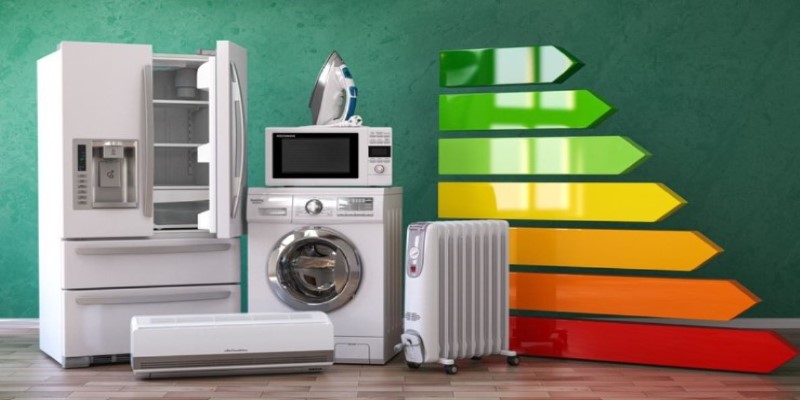
Consider replacing old refrigerators, dishwashers, washing machines, and dryers with Energy Star-rated models when renovating a kitchen or laundry room. These appliances consume less energy and often have improved features that enhance performance and convenience.
Moreover, intelligent appliances should be considered, as they can be controlled remotely. Many of these appliances have energy-saving modes and can be programmed to run during off-peak energy hours, further reducing energy costs. For instance, a smart thermostat can learn your schedule and adjust heating and cooling accordingly, optimizing energy use.
Renewable Energy Sources
Incorporating renewable energy sources into your home renovation can significantly enhance energy efficiency. Solar panels are one of the most popular options for homeowners looking to harness renewable energy. Installing solar panels on your roof can reduce reliance on fossil fuels and lower energy bills. Depending on local regulations and incentives, homeowners may also benefit from tax credits or rebates for solar panel installations.
Another renewable energy option is wind turbines. While they may not be suitable for every location, small residential wind turbines can provide a clean energy source for homes in areas with consistent wind. Additionally, geothermal heating and cooling systems use the earth's stable temperature to regulate indoor climates efficiently. While the initial installation cost can be high, the long-term savings on energy bills can make geothermal systems a worthwhile investment.
Water Conservation
An often overlooked aspect of energy efficiency is water conservation. Renovations focusing on reducing water usage can also lead to lower energy consumption, particularly in homes where water heating is a significant expense. Installing low-flow faucets, showerheads, and toilets can dramatically reduce water usage without sacrificing performance.

In the garden, consider implementing rainwater harvesting systems. These systems collect rainwater from roofs and direct it to storage tanks, providing a sustainable water source for irrigation. This reduces water bills and minimizes runoff, which can contribute to erosion and water pollution.
For landscaping, xeriscaping—using drought-resistant plants and efficient irrigation techniques—can further enhance water conservation efforts. By selecting native plants that thrive in your local climate, you can create a beautiful, low-maintenance landscape that requires minimal watering.
Smart Home Technology
Integrating smart home technology into your renovations can enhance energy efficiency and convenience. Smart thermostats, as mentioned earlier, allow homeowners to control their heating and cooling systems remotely, optimizing energy use based on occupancy. Other smart devices, such as energy monitors, can provide real-time data on energy consumption, helping homeowners identify areas for improvement.
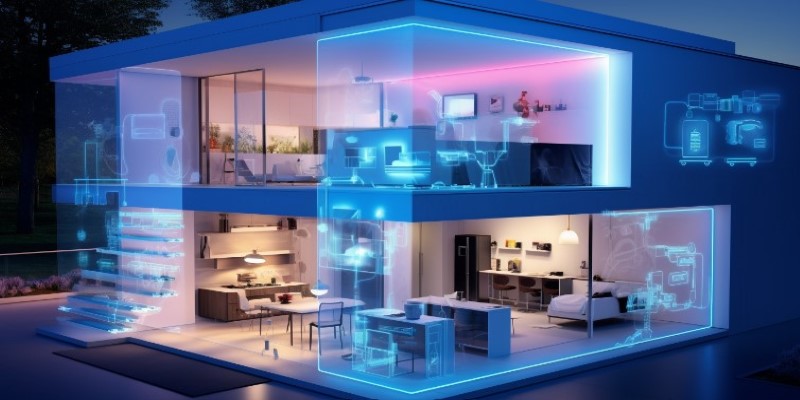
Intelligent lighting systems can also contribute to energy efficiency. Homeowners can use LED bulbs and motion sensors to ensure that lights are only on when needed. Additionally, programmable lighting can create schedules that align with daily routines, reducing energy consumption.
Financial Incentives And Long-Term Benefits
While eco-friendly renovations often incur higher upfront costs, they can lead to significant long-term savings. Many states and local governments offer incentives for energy-efficient upgrades, including tax credits, rebates, and low-interest loans. Researching available programs can help offset initial expenses and encourage homeowners to invest in sustainable renovations.
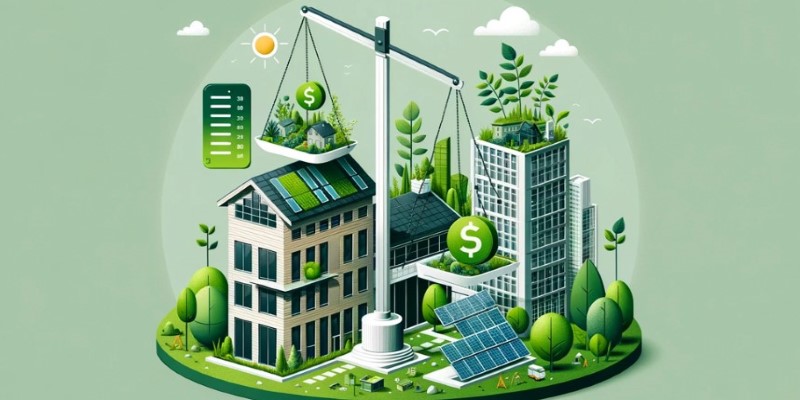
Moreover, energy-efficient homes typically have higher resale values. Buyers are increasingly looking for homes that prioritize sustainability, making eco-friendly renovations an attractive selling point. The combination of lower utility bills and increased property value makes these renovations an intelligent financial decision.
Conclusion
As we face the challenges of climate change, the importance of eco-friendly home renovations cannot be overstated. By focusing on energy efficiency through insulation, upgraded appliances, renewable energy sources, and sustainable materials, homeowners can positively impact the environment while enjoying lower utility bills and improved comfort. Embracing smart home technology and prioritizing indoor air quality further enhances the benefits of these renovations.
Ultimately, investing in eco-friendly renovations is not just about creating a comfortable living space; it's about contributing to a sustainable future for future generations. As more homeowners make these choices, the collective impact can significantly reduce carbon emissions and create a healthier planet. In 2025 and beyond, prioritizing energy efficiency in home renovations will be crucial to a more sustainable lifestyle.