Living a zero-waste lifestyle is a growing movement encouraging individuals to reduce their environmental impact by minimizing waste. As more people become aware of the consequences of consumerism and pollution, adopting a zero-waste lifestyle becomes increasingly appealing. This guide provides a comprehensive overview of how to start living zero-waste, emphasizing practical steps to make a meaningful change in your life and contribute positively to the planet.
Understanding The Zero-Waste Philosophy
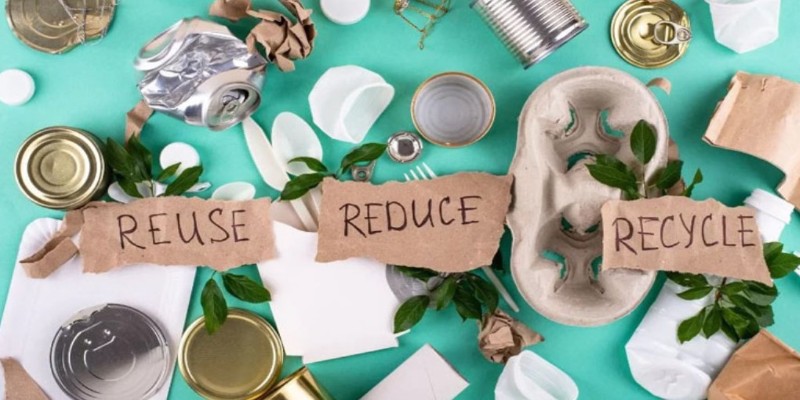
At its core, the zero-waste philosophy revolves around reducing waste to the bare minimum. It encourages individuals to rethink their consumption habits and consider the life cycle of products before purchasing them. The goal is to divert waste from landfills and incinerators and to rethink how we produce, consume, and dispose of items. This involves not only recycling but also reusing, repurposing, and reducing. The mantra often associated with zero waste is the "5 R's": Refuse, Reduce, Reuse, Recycle, and Rot. Each step plays a crucial role in creating a more sustainable lifestyle.
Start Refusing Single-Use Plastics
One of the easiest ways to reduce waste is to refuse single-use plastics, such as plastic bags, straws, cutlery, and water bottles. A simple step is to carry reusable alternatives with you. For instance, keep a reusable water bottle, tote bag, and stainless steel straw handy. By opting out of single-use plastics, you reduce your waste and set an example for others. Many people are unaware of the environmental harm caused by single-use items, and your actions can encourage them to reconsider their habits.
Embrace Bulk Buying
Buying in bulk is a fantastic way to reduce packaging waste and save money. Many grocery stores and co-ops offer bulk bins to purchase grains, nuts, spices, and other items without the added packaging. Bring your jars, bags, or other reusable vessels to fill with the needed products. This practice significantly reduces plastic waste and encourages you to buy only what you need, reducing the chances of food waste.
Rethink Your Food Waste
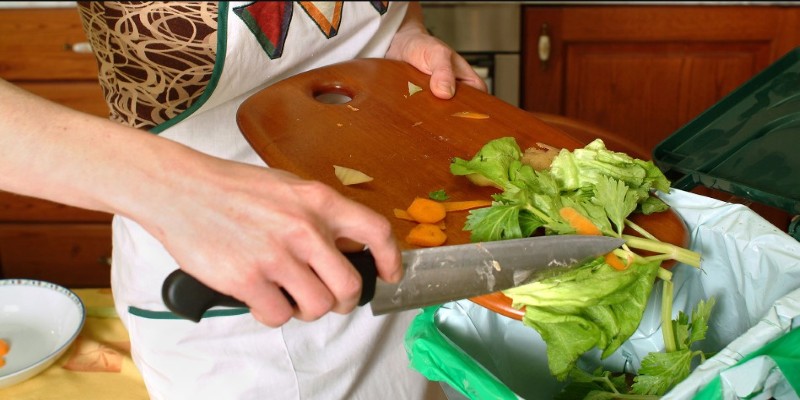
Food waste is a significant issue in our society, with approximately one-third of the food produced globally going to waste. To combat this, start planning your meals carefully. Create a shopping list before heading to the store and stick to it. Consider using leftovers creatively; for instance, vegetable scraps can be used to make broth, and stale bread can be transformed into croutons or breadcrumbs. Composting is another excellent way to manage food waste. By composting, you return nutrients to the soil instead of sending food scraps to a landfill, where they produce harmful methane gas.
Choose Sustainable Products
As you work towards a zero-waste lifestyle, make conscious decisions about the products you purchase. Look for items made from sustainable materials that have minimal packaging. Opt for products designed to last, even with a higher upfront cost. This investment often pays off in the long run, as you must replace cheaper, lower-quality items more frequently. Additionally, consider secondhand shopping for clothing and household items. Thrift stores, consignment shops, and online marketplaces are great resources for finding high-quality items while reducing the demand for new products.
Make Your Own Cleaning And Personal Care Products
Commercial cleaning and personal care products often come in plastic packaging and contain harmful chemicals. A zero-waste lifestyle encourages making alternatives using simple ingredients found in your kitchen. For example, vinegar, baking soda, and essential oils can create effective cleaning solutions. For personal care, consider making your toothpaste, deodorant, and scrubs. Not only is this a more sustainable option, but it can also be healthier for you and your family.
Educate Yourself And Others
Educating yourself about the environmental impact of waste is vital in your journey towards a zero-waste lifestyle. Books, documentaries, and online resources can provide valuable information about the waste crisis and sustainable living practices. Please share what you learn with friends and family to inspire them to consider their waste habits. Starting a conversation about zero waste can lead to community discussions and initiatives to reduce waste collectively.
Build A Supportive Community
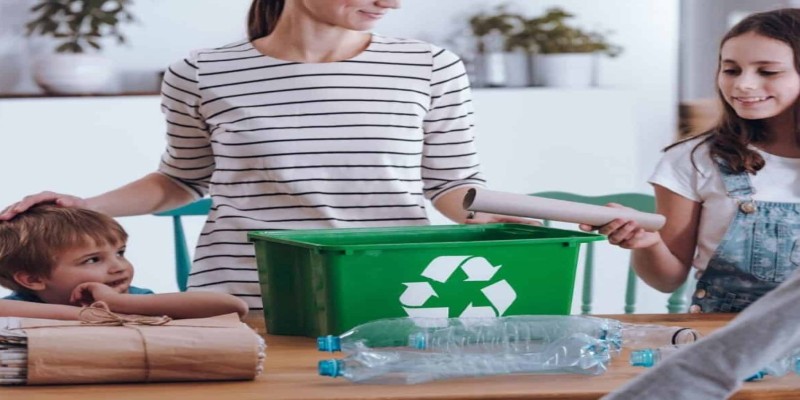
Living zero-waste can sometimes feel isolating, especially in a world where consumerism is the norm. Building a supportive community can provide motivation and encouragement. Seek out local groups focused on sustainability or join online forums and social media communities dedicated to zero-waste living. Sharing experiences, challenges, and successes with others can create a sense of accountability and foster a supportive environment for making sustainable choices.
Embrace Minimalism
Minimalism beautifully complements a zero-waste lifestyle. By embracing minimalism, you focus on quality over quantity, which aligns perfectly with reducing waste. Start decluttering your home and only keep items you genuinely need or bring you joy. This practice helps prevent the accumulation of unnecessary items and encourages thoughtful consumption. When you approach purchases with a minimalist mindset, you're more likely to choose sustainable and essential items, further reducing your waste footprint.
Adopt A Mindful Approach To Gifting
Holidays and special occasions often increase waste due to excessive packaging and unwanted gifts. Consider adopting a more mindful approach to gifting. Instead of purchasing physical items, think about experiences, homemade gifts, or charitable donations in the recipient's name. If you choose to give a physical gift, aim for sustainable products or items the recipient will genuinely appreciate and use.

Conclusion
Starting a zero-waste lifestyle can feel overwhelming, but it doesn't have to be. Taking small, intentional steps can significantly reduce your waste and contribute to a healthier planet. Understand your current habits, refuse single-use plastics, embrace bulk buying, and rethink food waste. Choose sustainable products, educate yourself and others, and build a supportive community around you. Remember that this is a journey, and making mistakes along the way is okay. With each decision you make, you're transforming your life and inspiring others to consider their waste footprint. The road to zero waste may be challenging, but your positive impact is worth the effort.