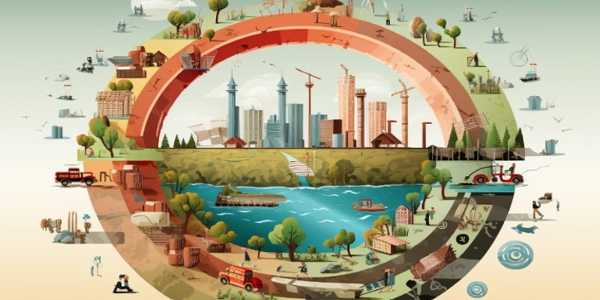
Social clubs have long been a staple of social interaction, providing spaces for people to gather, share interests, and build connections. Their evolution reflects societal changes, shifting from exclusive retreats for the elite to inclusive environments that celebrate diversity and creativity. In this article, we will explore the transformation of social clubs throughout history, examining how they have adapted to cultural shifts, technological advancements, and the growing demand for community engagement. As we delve into this evolution, we'll see how social clubs have become vital hubs for innovation, collaboration, and social connection in the modern world.
The Origins Of Social Clubs
The concept of social clubs dates back to ancient civilizations, where groups of individuals would come together based on shared interests or social status. Social clubs became more formalized in Europe and North America in the 18th and 19th centuries. For instance, exclusive gentlemen's clubs in London catered primarily to wealthy men, providing a space for networking, discussion, and recreation. These clubs often enforced strict membership criteria, maintaining exclusivity and reinforcing social hierarchies.
During this period, social clubs also began branching into specialized areas. Literary clubs formed to promote reading and writing, while fraternal organizations focused on brotherhood and charitable activities. This diversification marked the beginning of social clubs as places for leisure, intellectual engagement, and community building.
The Rise Of Inclusivity
As societal values shifted, particularly in the 20th century, the exclusivity of social clubs began to wane. The civil rights movement, feminist movements, and various social justice initiatives encouraged reevaluating who could participate in these spaces. Once barred from many clubs, women and marginalized groups started establishing their organizations, creating safe havens for dialogue and collaboration.
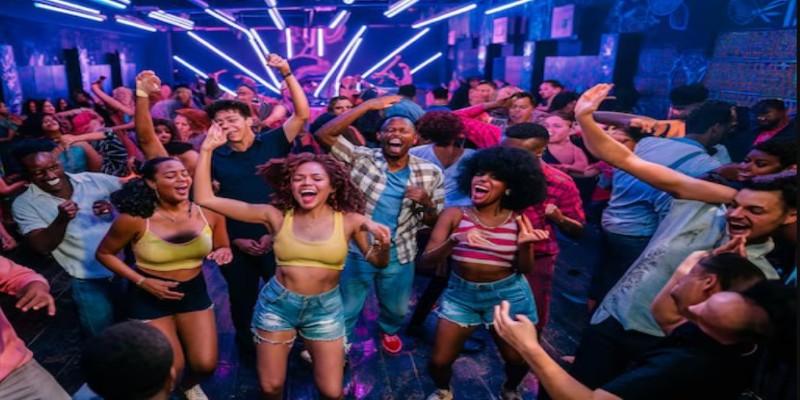
The rise of inclusivity led to a new wave of social clubs that prioritized diversity. Clubs began to welcome members from various backgrounds, promoting a sense of community that transcended traditional boundaries. This shift enriched the social fabric of clubs and fostered creativity and innovation. With diverse perspectives at the table, discussions became more dynamic, leading to the development of new ideas and initiatives.
The Impact Of Technology
The digital age has profoundly impacted the way social clubs operate. The internet and social media have created new platforms for connection, allowing individuals to form communities online. Virtual social clubs emerged, enabling people from different locations to engage in shared interests. These online spaces often offer forums for discussion, webinars, and virtual meetups, allowing for a broader reach than traditional clubs could achieve.

Moreover, technology has facilitated the creation of hybrid models that combine physical and virtual elements. Many clubs now offer both in-person events and online access, accommodating members with varying preferences. This flexibility has been crucial in maintaining engagement, especially in light of global challenges such as the COVID-19 pandemic, which pushed many organizations to adapt quickly.
The Birth Of Creative Hubs
A notable trend has emerged in recent years: transforming social clubs into creative hubs. These spaces foster innovation and collaboration among members, often incorporating elements of coworking, maker spaces, and artistic studios. The goal is to create an environment where individuals can socialize, develop projects, share skills, and inspire one another.

Creative hubs often cater to specific interests like technology, arts, or entrepreneurship. For instance, a club might focus on supporting local artists by providing exhibition space and opportunities for collaboration. These hubs encourage experimentation, allowing members to step outside their comfort zones and pursue creative endeavours.
Furthermore, the rise of the gig economy has contributed to this shift. As more people seek flexible work arrangements, the demand for spaces that support creativity and collaboration has increased. Social clubs have adapted to this need, offering amenities such as high-speed internet, meeting rooms, and event spaces that cater to freelancers and entrepreneurs.
The Role Of Community Engagement
Community engagement has become a central aspect of modern social clubs. Many organizations now prioritize giving back to their local communities through volunteer work, nonprofit partnerships, and hosting events that raise awareness about social issues. This shift reflects a broader cultural movement toward social responsibility and sustainability.

Social clubs often serve as platforms for community discussions, allowing members to address local challenges and propose solutions. By encouraging members to engage with their surroundings, these clubs strengthen their internal communities and foster positive neighbourhood relationships.
Additionally, many creative hubs have taken on roles as incubators for social change. They often host workshops, discussions, and events tackling pressing social issues, empowering members to advocate for change. This commitment to community engagement enhances the relevance and impact of social clubs in today's society.
The Future Of Social Clubs
Looking ahead, the evolution of social clubs is likely to continue as societal needs and technological advancements shape their development. The ongoing push for inclusivity and diversity will play a crucial role in how these spaces evolve as clubs seek to reflect the communities they serve.
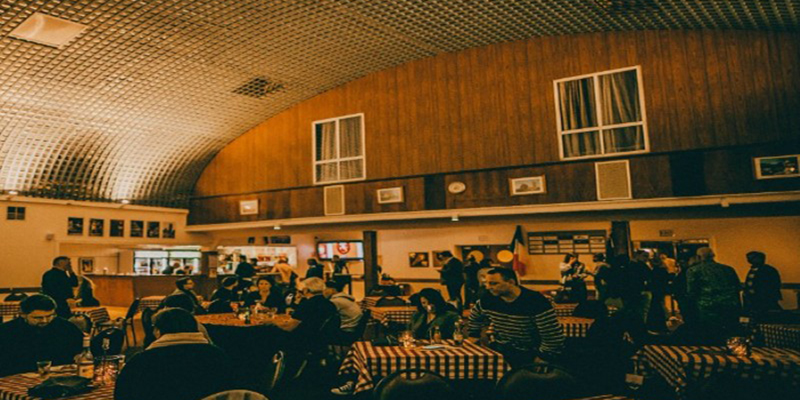
Moreover, the demand for flexible social spaces will grow as remote work and hybrid models become the norm. Clubs that adapt to these changing dynamics will likely thrive, providing environments that support social connection and creative collaboration.
Blending physical and digital spaces will also shape the future of social clubs. As technology advances, clubs will need to find innovative ways to integrate these elements seamlessly, ensuring that members have access to in-person and virtual opportunities.
Conclusion
In summary, the evolution of social clubs illustrates a significant shift in how we connect. Moving away from exclusivity, these spaces now embrace diversity and creativity, responding to the changing needs of society. As social clubs continue to adapt to technological advancements and the demands for community involvement, they will likely remain essential spaces for fostering connections and collaboration. The future of social clubs looks promising, as they aim to inspire innovation, engage with local communities, and empower individuals to pursue their passions together. Through this ongoing transformation, social clubs have the potential to become even more relevant and impactful in our increasingly interconnected world.