In recent years, we have witnessed a significant shift in consumer behaviour, especially among younger generations. Generation Z individuals born roughly between the mid-1990s and early 2010s stand out for their distinctive approach to shopping and sustainability. With growing awareness of environmental issues, Gen Z is not just another demographic; they are driving profound changes in how businesses operate, and consumers think about their purchases. This article will explore how Gen Z is transforming the landscape of sustainable shopping through their values, preferences, and behaviours.
The Rise Of Conscious Consumerism
One of Gen Z's most notable characteristics is its commitment to conscious consumerism. This generation has grown up in an era of climate change discussions, social justice movements, and economic uncertainty. Consequently, they are more informed and concerned about the impact of their purchases on the planet and society. This heightened awareness translates into a preference for brands that prioritize sustainability and ethical practices.

Research indicates that around 70% of Gen Z consumers are willing to pay more for environmentally friendly products. They expect brands to be transparent about their sourcing, production processes, and the environmental impact of their products. This demand for accountability has led many companies to rethink their supply chains and adopt sustainable practices. As a result, businesses that prioritize sustainability attract Gen Z customers and enhance their overall brand reputation.
Shifting Brand Loyalty
Gen Z's approach to brand loyalty differs from previous generations. While older consumers may have been more inclined to stick with established brands, Gen Z is willing to switch brands if they feel their values do not align. This shift is particularly significant when it comes to sustainability. For Gen Z, a brand's commitment to the environment and social responsibility can make or break their loyalty.
Many young consumers actively research brands before purchasing, using social media and online reviews to gauge a company's sustainability practices. They seek out brands that offer eco-friendly products, engage in fair labour practices, and give back to communities. This level of scrutiny encourages companies to be more mindful of their corporate social responsibility efforts, pushing them to adopt more sustainable practices to retain this influential customer base.
Embracing Secondhand And Upcycling
Another notable trend among Gen Z is the embrace of secondhand shopping and upcycling. This generation is leading the charge against fast fashion, recognizing its detrimental environmental impact. Rather than buying new clothes, many Gen Z consumers turn to thrift stores, online resale platforms, and clothing swaps as sustainable alternatives.
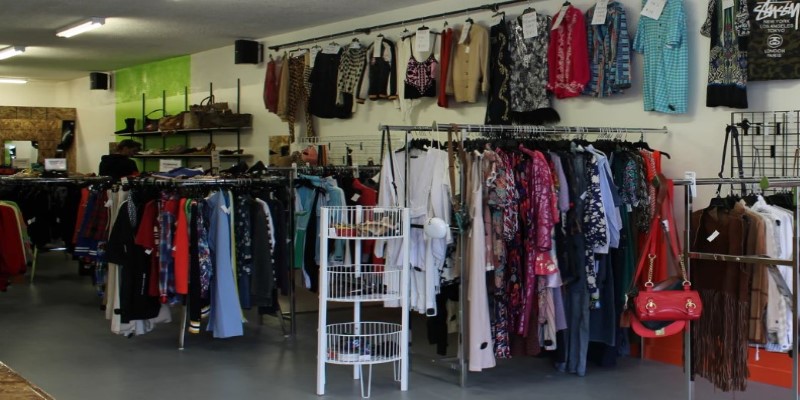
Platforms like Depop, Poshmark, and ThredUp have gained immense popularity, offering young shoppers a way to buy and sell secondhand clothing. This trend extends the life cycle of apparel, reduces waste, and promotes a circular economy. Upcycling, or creatively reusing materials to create new products, is also rising. Many Gen Z consumers enjoy customizing thrifted items, giving them a unique flair while minimizing their environmental footprint.
Influencing The Digital Marketplace
Gen Z is often called the first digital-native generation, having grown up with technology at their fingertips. This digital fluency has shaped their shopping habits and created a unique marketplace for sustainable products. Social media platforms, particularly Instagram, TikTok, and Pinterest, are crucial in how Gen Z discovers and interacts with brands.

Influencers and content creators who advocate for sustainable living significantly impact Gen Z's purchasing decisions. These individuals often showcase sustainable brands, secondhand finds, and DIY projects, making sustainable living more relatable and accessible. Brands that leverage influencer partnerships and social media marketing to highlight their sustainability efforts can effectively reach this audience and foster a sense of community around eco-friendly practices.
The Role Of Education And Awareness
Education is a critical component in Gen Z's approach to sustainability. Many young consumers seek information about environmental issues, sustainable practices, and ethical consumption. This desire for knowledge has been fueled by a wealth of online resources, from documentaries and podcasts to blogs and social media campaigns.
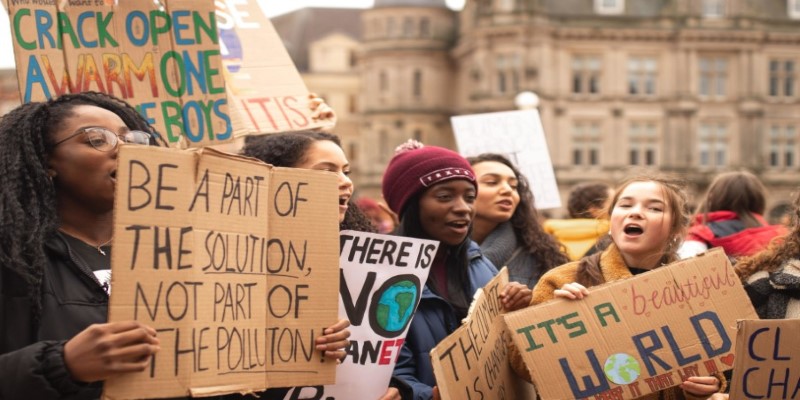
Schools and universities are also increasingly integrating sustainability into their curricula, fostering a generation of informed consumers. This education extends beyond academics; many young people participate in environmental advocacy groups and initiatives that promote sustainability within their communities. This engagement empowers them to make informed choices and encourages them to hold brands accountable for their actions.
The Importance Of Authenticity
For Gen Z, authenticity is paramount. They can quickly spot inauthentic marketing or insincere claims about sustainability. Brands that genuinely commit to sustainable practices and transparently communicate their efforts are more likely to earn this generation's trust. On the other hand, brands that engage in "greenwashing"—making misleading claims about the environmental benefits of their products—risk losing credibility and, ultimately, customers.
Authenticity goes beyond marketing and encompasses the entire brand ethos. Gen Z wants to see a company's values reflected in its actions, from sourcing materials to employee treatment and community engagement. This demand for authenticity prompts brands to adopt more genuine practices, leading to meaningful changes in the industry.
Redefining Luxury
Traditionally, luxury was associated with high price tags and exclusivity. However, Gen Z is redefining what luxury means in the context of sustainable shopping. For this generation, luxury is increasingly about quality, craftsmanship, and ethical production rather than brand name or status. Many Gen Z consumers prefer investing in fewer, high-quality items that are sustainably made over fast fashion purchases that offer little value.
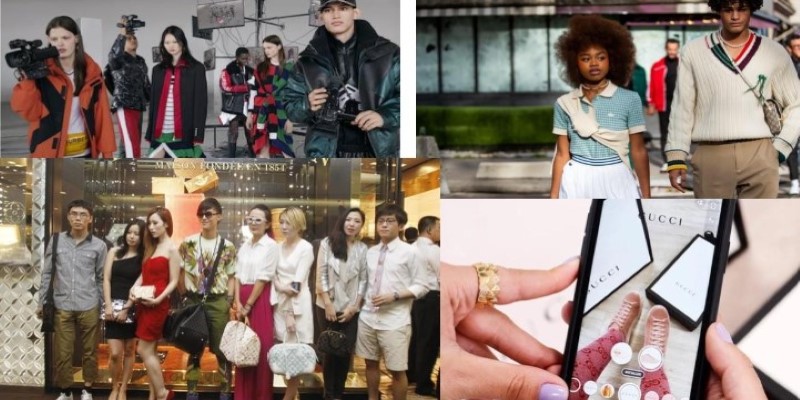
This shift is pushing luxury brands to adapt their strategies. Many high-end brands now emphasize sustainability by sourcing eco-friendly materials, ensuring fair labour practices, and implementing transparent supply chains. As a result, luxury is becoming synonymous with sustainability, catering to a growing demand for responsible consumption among younger consumers.
Conclusion
In summary, Gen Z is significantly changing the game for sustainable shopping. Their commitment to conscious consumerism, demand for transparency, and embrace of secondhand shopping are reshaping the retail landscape. As they prioritize authenticity and ethical practices, businesses must adapt to meet their expectations or risk losing relevance. The future of sustainable shopping is bright, driven by a generation that cares about the planet and is actively working to make a difference. With their influence, we expect to see continued progress toward a more sustainable and responsible consumer culture.