In recent years, the conversation around diet has evolved significantly, moving beyond just personal health to encompass broader environmental concerns. As climate change becomes increasingly urgent, the relationship between our food choices and the planet's health has gained attention. One prominent solution many advocates point to is the adoption of plant-based diets. This article will delve into the various aspects of plant-based diets and their environmental impact, helping you understand how these dietary choices can contribute to a healthier planet.
Understanding Plant-Based Diets
At its core, a plant-based diet focuses primarily on plant-derived foods. This includes fruits and vegetables, nuts, seeds, oils, whole grains, legumes, and beans. While "plant-based" often suggests a vegetarian or vegan lifestyle, it does not necessarily exclude animal products entirely. Many people adopting plant-based diets might still consume small amounts of meat, dairy, or eggs, but the emphasis is on plant foods. The key here is the proportion of plant foods to animal products; the more plants you include, the more you can benefit the environment.
The Environmental Toll Of Animal Agriculture
Animal agriculture has been identified as a significant contributor to environmental degradation. The production of meat, dairy, and eggs is resource-intensive, requiring large amounts of water, land, and energy. For instance, it takes about 1,800 gallons of water to produce just one pound of beef, compared to around 216 gallons for a pound of vegetables. This discrepancy highlights the significant water footprint of animal products.

Moreover, raising livestock contributes to deforestation, particularly in regions like the Amazon rainforest. Trees are cleared to create grazing land or to grow feed crops for animals, leading to the loss of biodiversity and disruption of ecosystems. Additionally, animal farming produces substantial greenhouse gas emissions, mainly methane from cattle and nitrous oxide from fertilized soils. According to the United Nations, livestock accounts for approximately 14.5% of global greenhouse gas emissions. Reducing meat consumption, therefore, directly impacts the decrease of these emissions and mitigates climate change.
Benefits Of Plant-Based Diets For The Environment
Adopting a plant-based diet can yield numerous environmental benefits. Firstly, it reduces the demand for resource-intensive animal products, reducing water and land use. The United Nations Food and Agriculture Organization (FAO) has indicated that a global shift towards more plant-based diets could significantly alleviate environmental pressure.
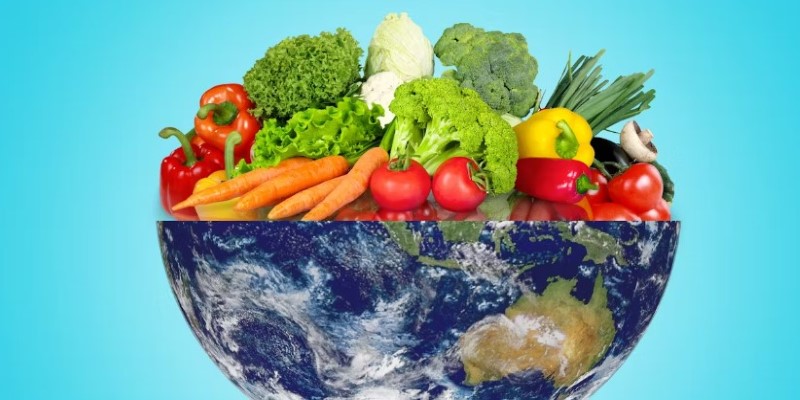
Secondly, plant-based diets contribute to improved biodiversity. Reducing the amount of land used for livestock creates a greater opportunity to preserve natural habitats and protect endangered species. A more diverse ecosystem is crucial for the survival of various plant and animal species and plays a vital role in maintaining ecosystem services, such as pollination and nutrient cycling.
Moreover, plant-based diets can enhance soil health. Practices like crop rotation, cover cropping, and reduced tillage, often part of sustainable plant-based agriculture, improve soil structure and fertility. Healthy soils are essential for growing nutritious food and are critical in combating climate change, as they can sequester atmospheric carbon dioxide.
Addressing Common Misconceptions
Despite the clear benefits, people should be aware of the benefits surrounding plant-based diets to make the switch. One common belief is that plant-based diets are nutritionally inadequate. While it is true that certain nutrients like vitamin B12, iron, and omega-3 fatty acids are more prevalent in animal products, these nutrients can be obtained through fortified foods or supplements. A well-planned plant-based diet can provide all the essential nutrients for good health.

Another misconception is that plant-based diets are more expensive. While some speciality vegan products can be costly, staple plant-based foods like beans, rice, and seasonal vegetables are often cheaper than meat. By focusing on whole foods and minimising processed items, individuals can maintain a nutritious diet without breaking the bank.
Additionally, some people need to be more mindful of the practicality of adopting a plant-based diet, particularly in cultures where meat is a central component of traditional meals. However, plant-based eating can be flexible and adaptable. It does not require an all-or-nothing approach; gradually incorporating more plant foods can lead to significant benefits without drastic lifestyle changes.
The Role Of Agriculture And Sustainable Practices
Sustainable agricultural practices are crucial in making plant-based diets more environmentally friendly. These practices include organic farming, permaculture, and agroecology, which focus on minimizing chemical inputs, conserving water, and enhancing biodiversity. By supporting local, sustainable farms, consumers can reduce their carbon footprint and promote environmental stewardship.

Moreover, regenerative agriculture is gaining traction as a method that sustains and improves the ecosystem's health. This approach emphasizes cover cropping, crop rotation, and livestock integration with crop production. Regenerative agriculture aims to restore soil health, sequester carbon, and increase biodiversity, aligning perfectly with the goals of a plant-based diet.
Climate Change And Food Systems
The impact of climate change on food systems must be considered. The agriculture sector faces significant challenges as temperatures rise and weather patterns shift. Crop yields may decrease, and certain regions may become less suitable for traditional farming. This creates a need for adaptable and resilient food systems. Plant-based diets can play a pivotal role in this adaptation, as they typically rely on a wider variety of crops and are less dependent on specific animal farming conditions.
Moreover, as climate change continues to affect global food security, shifting towards more plant-based diets can help ensure more people have access to nutritious food. Plant-based foods tend to require fewer resources, making them a more sustainable option for feeding a growing population.
Making The Transition To Plant-Based Eating
Transitioning to a plant-based diet doesn’t have to be overwhelming. Many people find success by starting small. Incorporating "Meatless Mondays" or experimenting with plant-based recipes can make the process enjoyable and manageable. Finding a community, whether online or locally, can also provide support and inspiration.

Cooking at home allows for creativity in the kitchen, enabling individuals to explore new ingredients and flavours. Many delicious plant-based alternatives to traditional dishes exist, making it easier to satisfy cravings without relying on animal products. The rise of plant-based products in grocery stores has also made it more accessible for those looking to reduce meat consumption.
Conclusion
Plant-based diets offer a compelling solution to many environmental challenges we face today. Reducing reliance on resource-intensive animal agriculture can significantly lower greenhouse gas emissions, conserve water, and promote biodiversity. While misconceptions about plant-based eating persist, the reality is that with proper planning and knowledge, these diets can provide all the necessary nutrients for a healthy lifestyle. Embracing a plant-based diet benefits individual health and contributes to a more sustainable future for our planet. We can collectively work towards a healthier, greener world by making informed food choices. As the urgency of climate change continues to rise, the shift towards plant-based diets becomes a personal choice and a necessary step towards environmental stewardship.